Why Every Creator Needs Orange Chicken
 8 min read
I was in LA a few weeks ago with friends visiting from Singapore. They wanted Panda Express. Not ramen. Not tacos. Panda Express. They'd seen it in so many American TV shows and movies that it was basically on their itinerary.
Is it authentic Chinese food? No. But I'll be honest, I eat it sometimes. There's a familiar comfort to it that just works. I'm not going to pretend I'm above it.
What I didn't expect was a masterclass in brand positioning — inside a fast food restaurant.
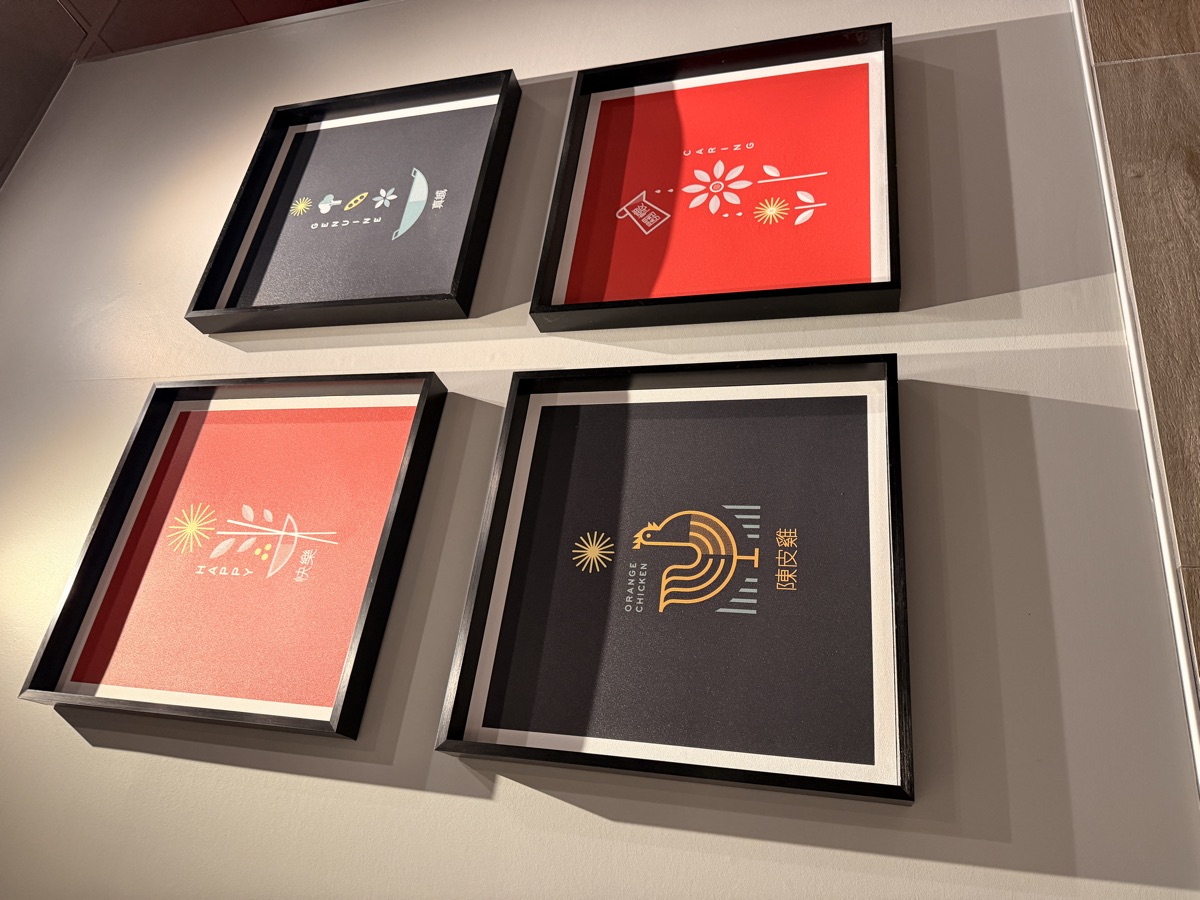
So we walked in, and on the wall near the entrance there were four posters. The values of Panda Express. Three of them were what you'd expect. Happy. Genuine. Caring. Normal corporate stuff. And then the fourth one: Orange Chicken.
Orange chicken. Listed as a company value. Right next to genuine.
I stood there for a second because I thought that was kind of genius. They didn't just make it their best seller. They made it their identity. Panda Express sells over 110 million pounds of orange chicken a year. That's a third of all sales. 285,000 orders a day. And they're so sure of it that they put it on the wall next to their actual values.
That's the thing most founders and creators are missing. Not more content. Not a better posting schedule. Not another rebrand. They're missing their orange chicken: the one thing so clearly theirs that it stops being a product and starts being an identity.
Most founders I work with describe what they do in categories. "I do branding." "I'm a coach." "We do marketing." Those are menu sections. They're not dishes.
Nobody walks into a restaurant and says "give me something from the poultry section." They say "I want the orange chicken." The specificity is what makes it stick.
When I ask founders "what are you known for," the answer is almost always too broad. It sounds professional. It covers all the bases. And it's completely forgettable. But the problem isn't that they're bad at marketing themselves. The problem is they haven't done the deeper work. They don't actually know what they stand for, what they stand against, or why their way is different. They're describing a menu because they haven't decided what their signature dish is.
And you can't decide that from a spreadsheet of content ideas. That's a positioning question. It sits underneath everything else.
Al Ries and Jack Trout called this The Law of Focus: the most powerful concept in marketing is owning a single word in the prospect's mind. Volvo owns "safety." FedEx owns "overnight." And research backs this up: a 2022 study in the European Journal of Marketing ran three experiments comparing narrow vs. broad brand positioning, and narrow won on both recall and competitive defense.
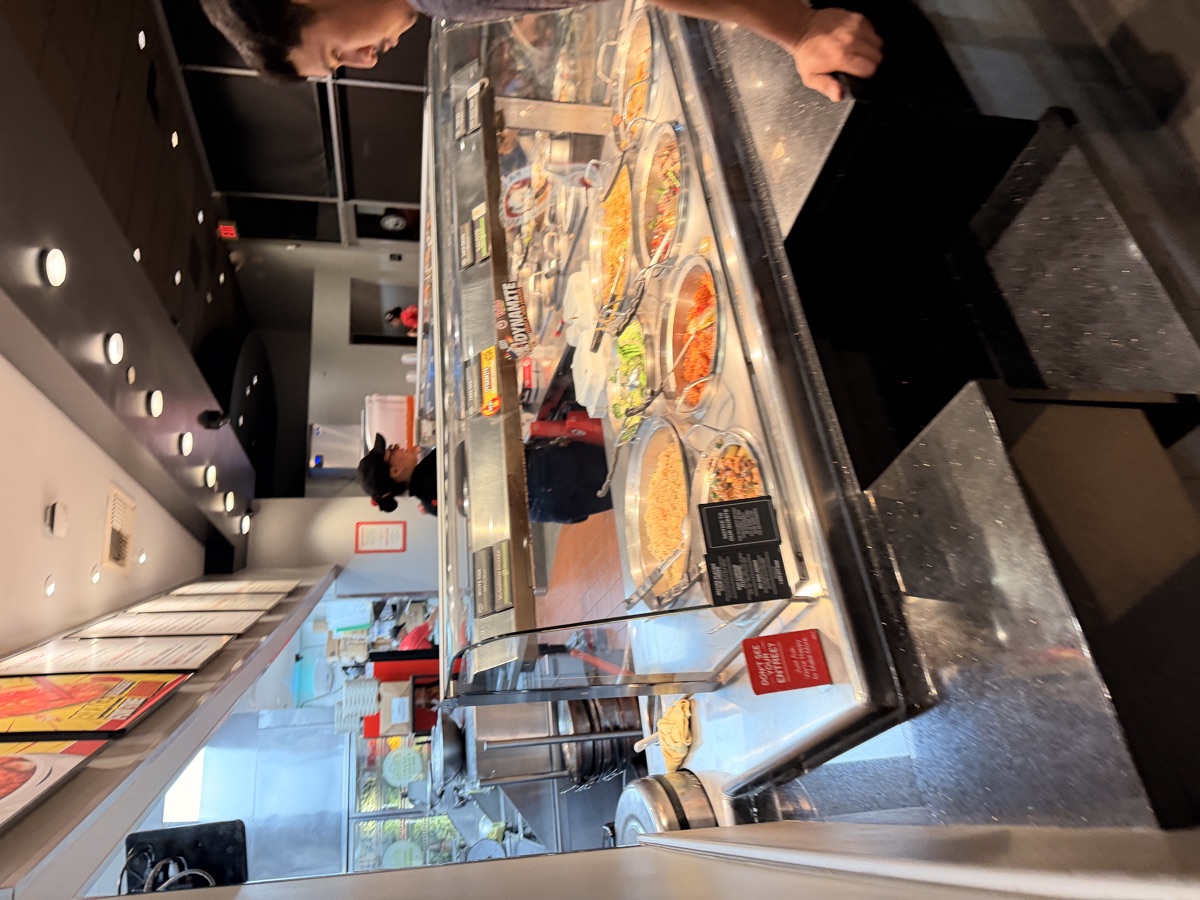
There are hundreds of dishes at Panda Express. Most of them are fine. Some are probably better than the orange chicken if you really sat down and compared them. Doesn't matter. Orange chicken wins because of three things:
It's specific. You know exactly what you're getting. The taste, the texture, the experience. There's no ambiguity.
It's repeatable. Every single location, every single time, it's the same dish. That consistency is what builds the craving. Psychologist Robert Zajonc proved in 1968 that mere exposure alone, with no persuasion needed, increases preference. You don't crave things you've only had once.
It's the entry point. Orange chicken is how most people discover Panda Express. Once they're in, they might try the Beijing beef or the honey walnut shrimp. But orange chicken got them through the door.
Your content needs to do the same thing. You need one clear, specific thing that people associate with you so strongly that when they have the problem you solve, your name is the first one that comes to mind.
I used to be a generic growth marketer. Ran campaigns, optimized funnels, looked at dashboards. There are thousands of people who do that. I was one of them and there was nothing about me that you'd remember the next day.
The shift wasn't picking a niche. It was figuring out what I actually believe. I believe stories build trust faster than any ad. I believe most founders are sitting on incredible stories and don't even see them because they're too close. And I believe the industry's obsession with attention metrics is actively hurting the people it claims to help. That's what I stand against.
Once I knew that, everything got easier. I became the storytelling Michelle. That's what people call me. Not because I rebranded. Because I got clear on who I am, what I stand for, and what I refuse to do. The content followed.
There are a lot of people who say they grow brands. There's a much smaller group who are genuinely great storytellers and also understand marketing. That intersection is where I live. And everything I do runs on one idea: stories build trust, trust builds demand. I call it ARC — Audience Relationship Capital. It became the Story ARC™ framework: a system for turning founder stories into content that compounds trust and creates inbound demand. ARC OS is how I install it into businesses. It's the same thread through everything because the logic never changes.
That's my orange chicken. Not "social media strategy." Not "content creation." Storytelling that grows businesses. And the name ARC became so tied to what I do that people say it back to me now. Just like you say orange chicken when someone mentions Panda Express.
Most people get stuck right here. They find their orange chicken and then they get bored of it. They think "I already said that. I need to talk about something new." So they start rotating through different messages, different angles, different offers. And their audience, who was just starting to associate them with one thing, gets confused and moves on.
Panda Express has been selling orange chicken since 1987. Almost 40 years of the same dish. They didn't pivot to orange tofu because they got tired of it. They understood that repetition is what builds craving.
Your audience doesn't remember your best post. They remember the thing you won't shut up about. There's actually a name for this: the illusory truth effect. Researchers found that repeated statements are rated as more valid than new ones. Repetition doesn't just build recall, it builds belief. And a 4-year study of 247 ads across 33 brands found that smaller brands benefit the most from message consistency. Variety actually hurts when people don't know you yet.
I've been saying "trust is the bottleneck, not attention" for over a year now. I say it in Reels. I say it in client calls. I say it in bootcamps. I say it in articles. And every time someone new hears it, they think it's the first time I've said it. Because it is, for them.
The fear of being repetitive is the enemy of being remembered.
When you show up with the same specific message again and again, backed by real stories and real results, you're doing two things at once.
You're being relatable. People hear your message and think "that's exactly my problem." That's recognition. That's the first half of trust.
And you're being competent. Every time you demonstrate, through a client story or a breakdown or a piece of content, that you can actually solve that specific problem, you're proving you know what you're talking about. That's the second half.
There's actual research behind this. Amy Cuddy's work at Harvard found that humans judge trust on two axes: warmth and competence. And the order matters. Warmth first. She wrote in Harvard Business Review that "warmth is the conduit of influence," which means relatability has to come before competence, or you trigger skepticism instead of trust. A 2022 study on Instagram content proved the sequence: storytelling increases relatability, relatability builds trust. It's not a theory. It's a pattern that shows up every time they test it.
Relatability plus competence equals trust. That's the core of ARC. It's the trust equation that turns strangers into buyers. Not through one viral post, but through repeated signals that you understand their problem and you can fix it.
Orange chicken works because Panda Express has been proving, 285,000 times a day, that they can deliver that exact experience. Your content should do the same thing for your expertise.
The honest test. If you asked your last 10 followers what you're known for, would they all say the same thing? Not roughly the same thing. The same specific thing.
If the answer is no, you don't have a content problem. You have a positioning problem. You haven't figured out what you stand for, what you stand against, and why your way is different. No amount of posting will fix that. You could publish every day for a year and still be forgettable if the foundation isn't there.
Do that work first. Get clear on who you are and what you believe. Then find the specific craving you solve. Say it clearly. Say it again. And again. And keep saying it until the right people start showing up without you having to convince them.
That's your orange chicken. And if you don't have one yet, that's the only problem worth solving.
Memory, Familiarity, and Intent. Find out which one is your gap. It takes two minutes.
Take the ARC Score